Featured in BMFTR booklet on future medical materials
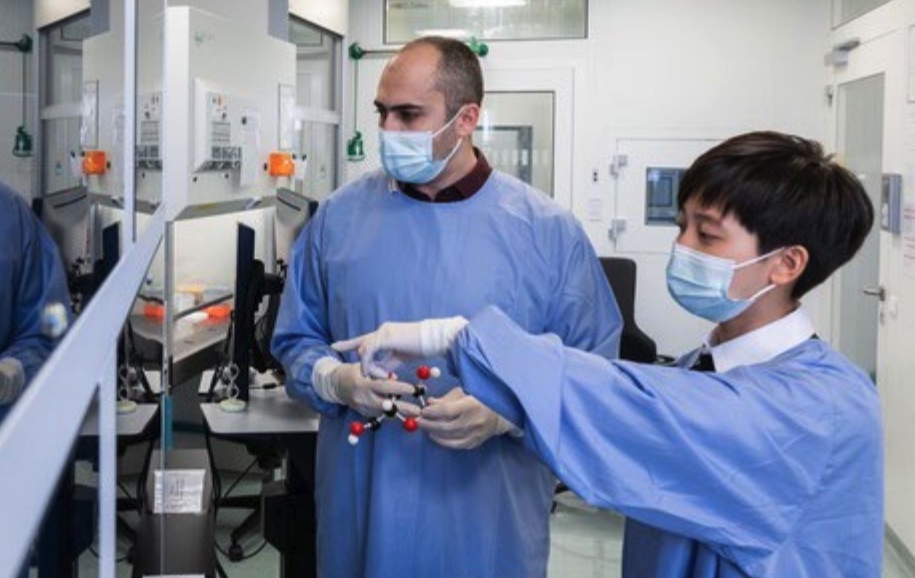
Our work is featured in the BMFTR booklet Materialinnovationen für die Medizin der Zukunft, highlighting programmable DNA-based biomaterials and the DyNAtrix platform.
Group updates, publications, opportunities, and milestones.
Our work is featured in the BMFTR booklet Materialinnovationen für die Medizin der Zukunft, highlighting programmable DNA-based biomaterials and the DyNAtrix platform.
Elisha Krieg presented the Leibniz Health-Tech Lecture on Dynamic Matrices and DNA-programmable 3D cell culture matrices.
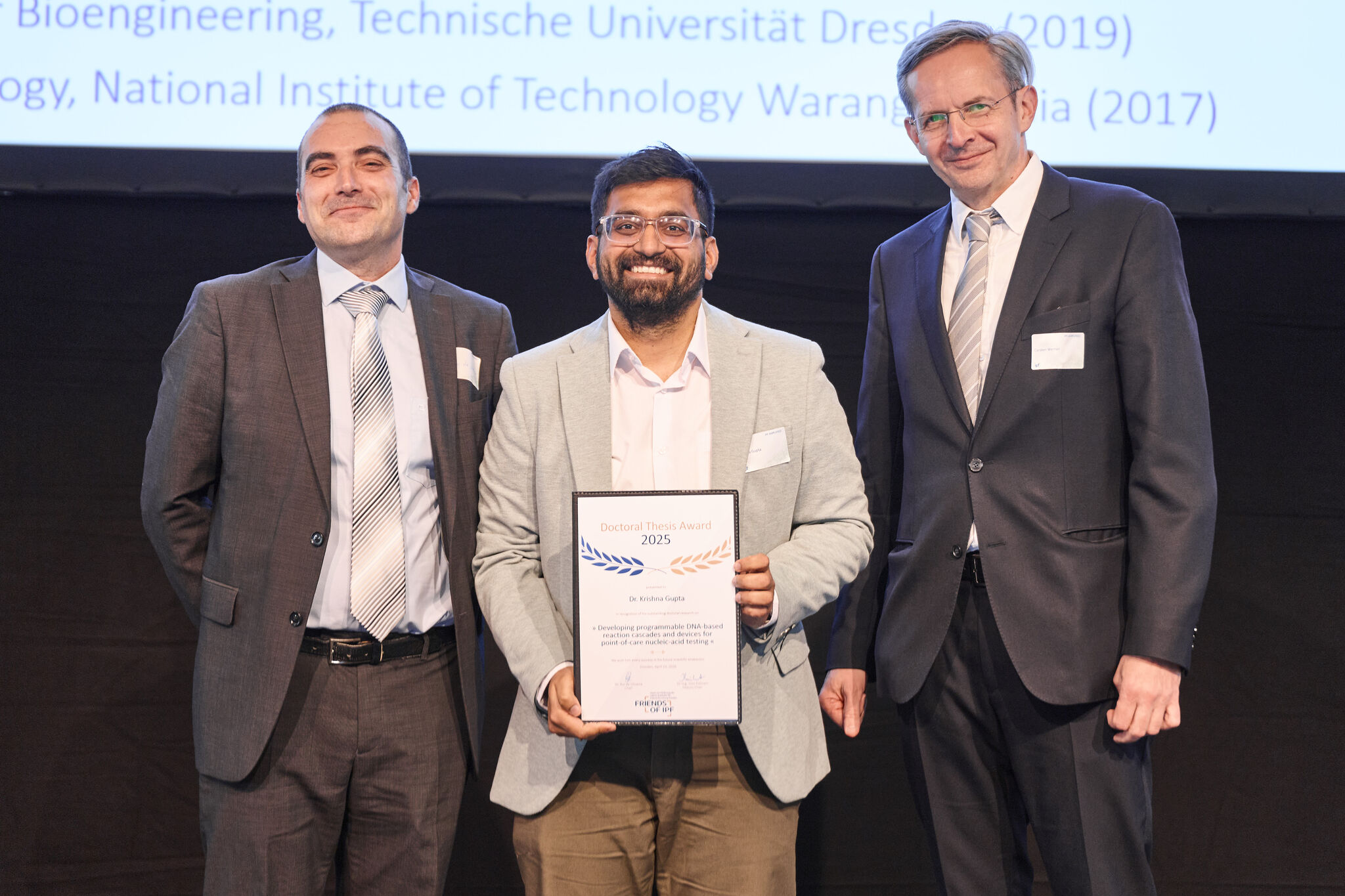
Krishna Gupta received the Doctoral Thesis Award from the Association of Supporters of the IPF.
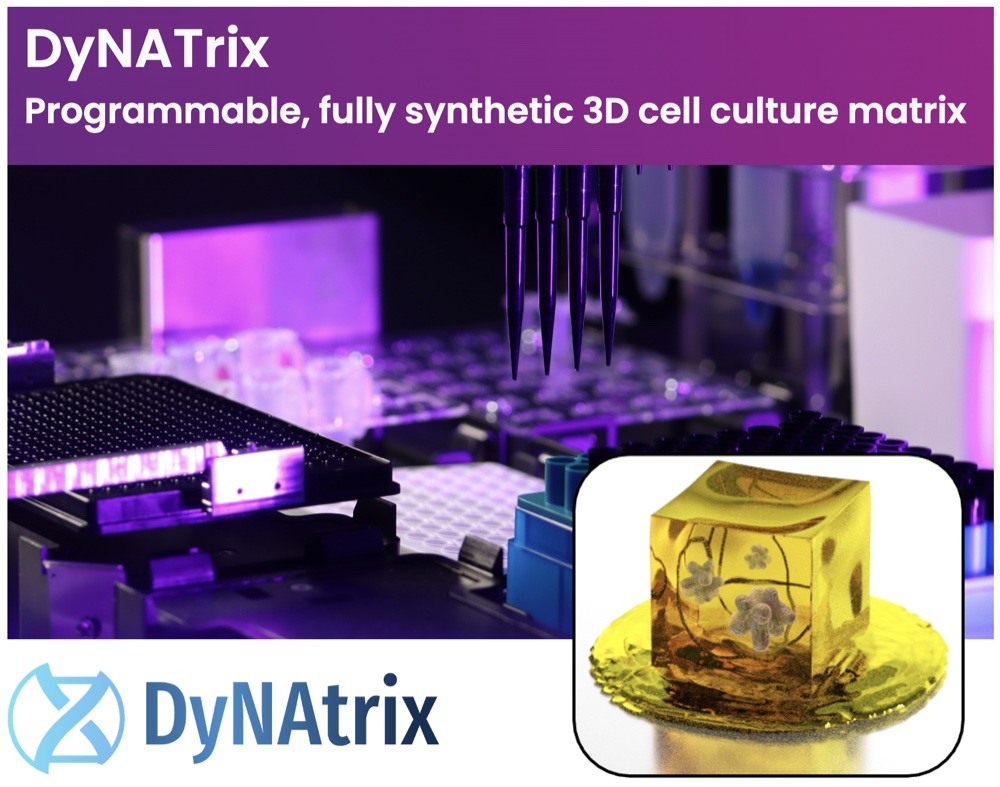
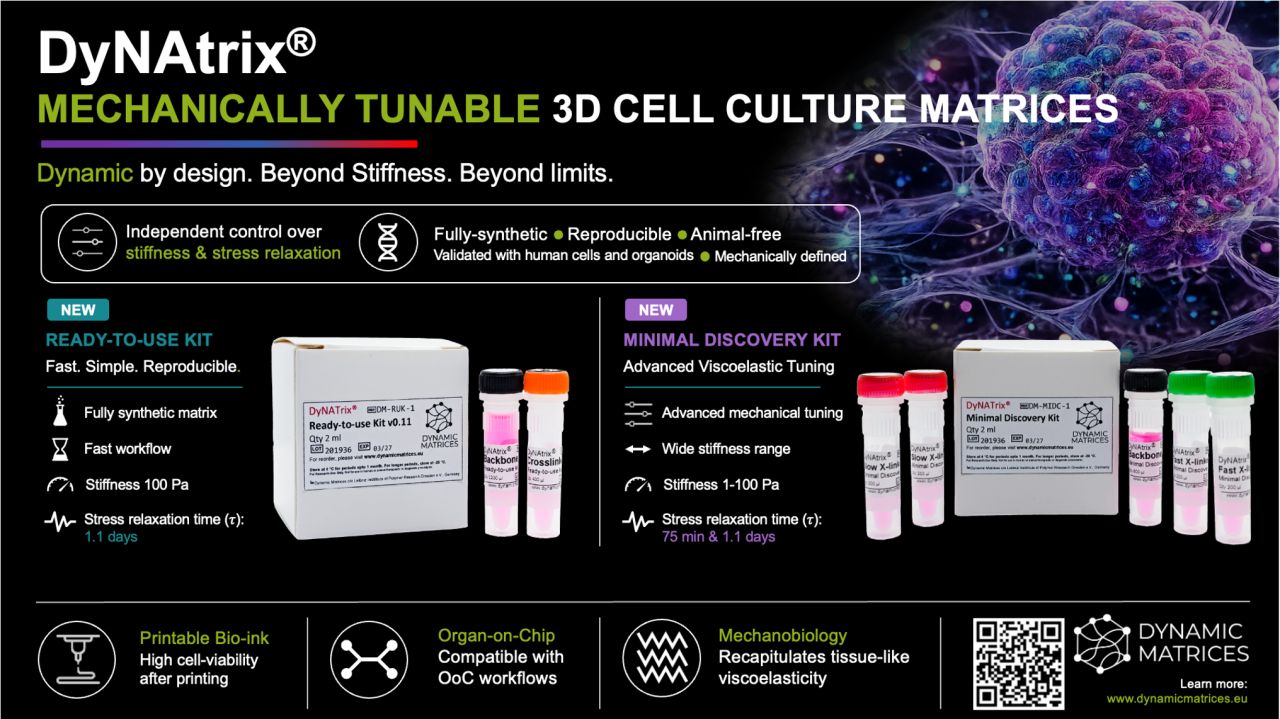
Dynamic Matrices has started shipping DyNAtrix pilot kits and is looking for pilot users who want to test programmable 3D cell culture matrices in their workflows.
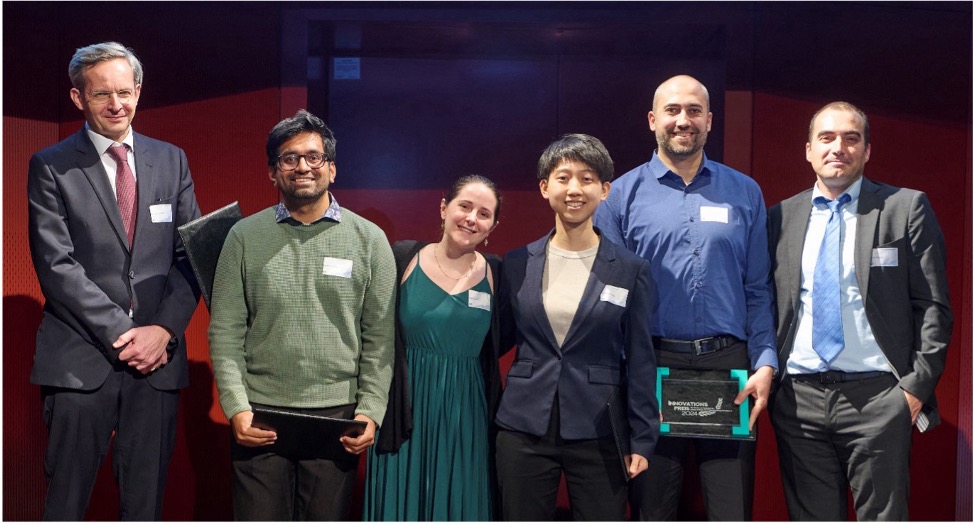
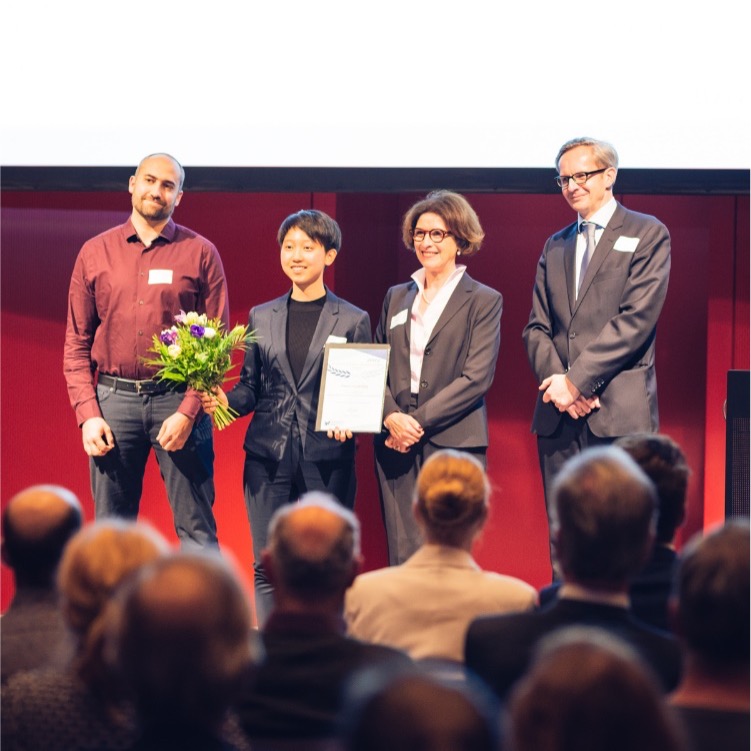
Elisha Krieg and team received the IPF Innovation Award for translational work connecting programmable materials with biomedical applications.
Krishna Gupta received a Young Scientist Poster Award at the NextGen Omics, Spatial & Data Conference in London, UK.
Syuan-Ku Hsiao received the Ned Seeman Student Travel Award from the International Society for Nanoscale Science, Computation, and Engineering at the Foundations of Nanoscience conference in Snowbird, Utah, United States.
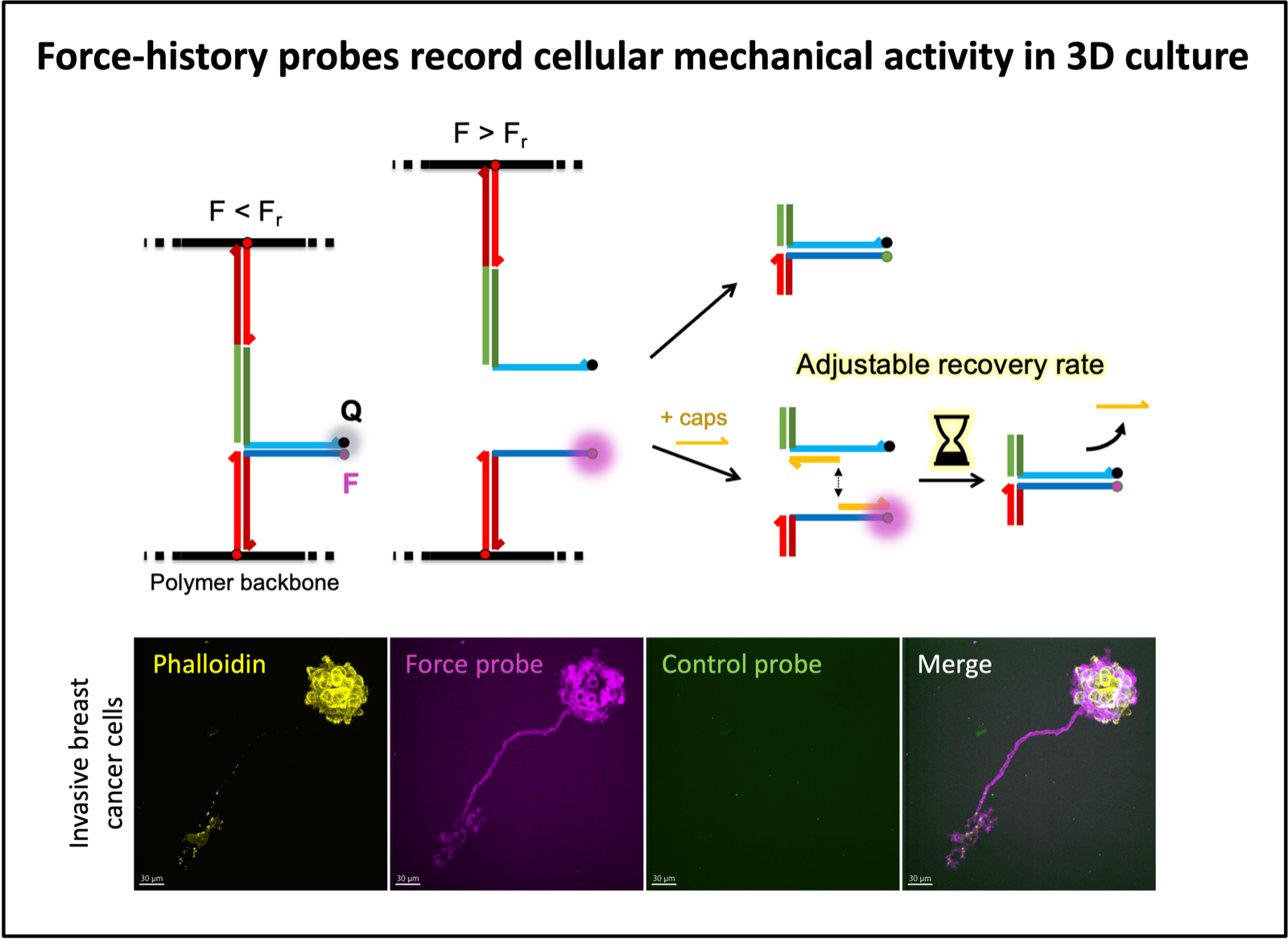
Recent selected publications include DNA-crosslinked polymer pulldown systems and reconfigurable microenvironments for cell mechanosensing.
The group reported a spring-loaded synthetic gene switch concept for robust nucleic-acid signal amplification and detection.
Sarah K. Speed received the Travel Award of the Dresden International Graduate School for Interdisciplinary Life Sciences in Dresden, Germany.
Yu-Hsuan Peng received the best poster prize at the GRC Biointerfaces meeting in Lucca, Italy.
Yu-Hsuan Peng received the Prof. Franz Brandstetter Award for outstanding research connected to dynamic DNA-encoded matrix materials.
Sarah K. Speed received the Fellow Award of the Dresden International Graduate School for Interdisciplinary Life Sciences.
Work on dynamic matrices with DNA-encoded viscoelasticity highlights the lab's interest in programmable material behavior for cell and organoid culture.