Research
We use DNA as a key component for the construction of reconfigurable, stimuli-responsive nanomaterials and functional biomolecular devices.
Research vision
Programmable materials inspired by biology
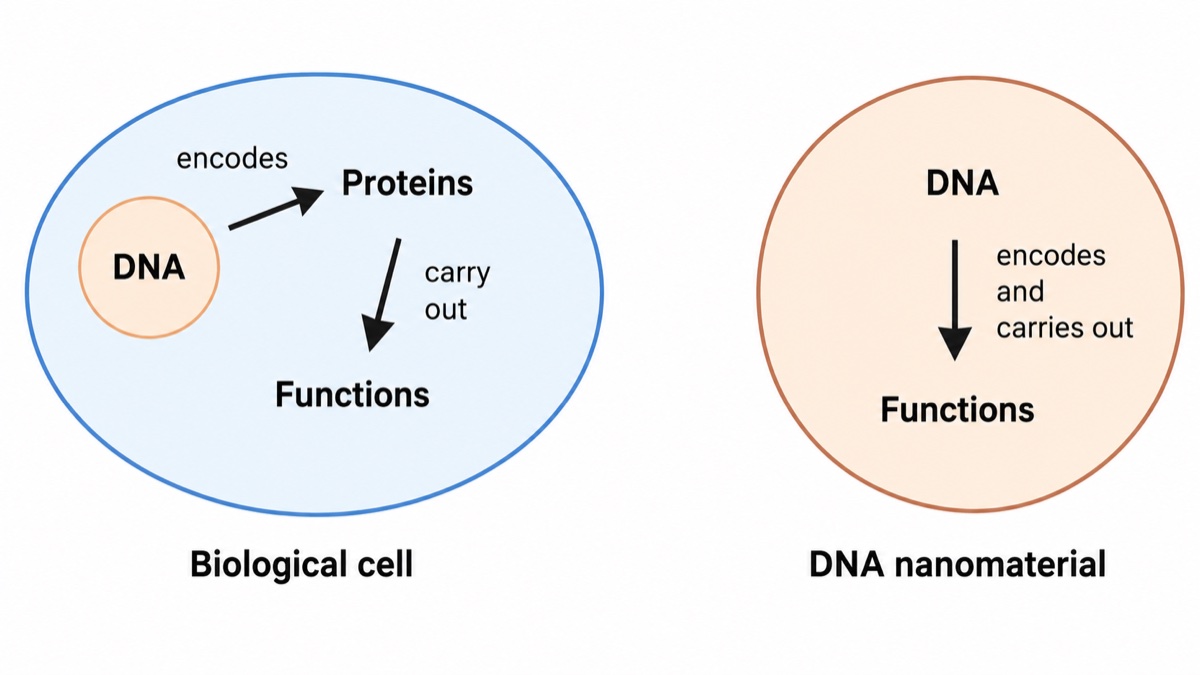
We develop materials that close the gap between synthetic polymers and living matter. Classical synthetic polymers are stable and versatile, but it is difficult to make them self-heal, self-regulate, and respond to their environment the way biological systems do. This becomes a problem when synthetic materials need to interact intelligently with biological systems.
Our approach is to make materials programmable: modular, predictable, and controllable through abstract design rules rather than laborious trial-and-error testing. To achieve this, we harness the unique self-assembly properties of DNA and use the principles of DNA nanotechnology to encode material behavior directly in the nucleotide sequence.
Materials platform
DNA-functionalized polymers
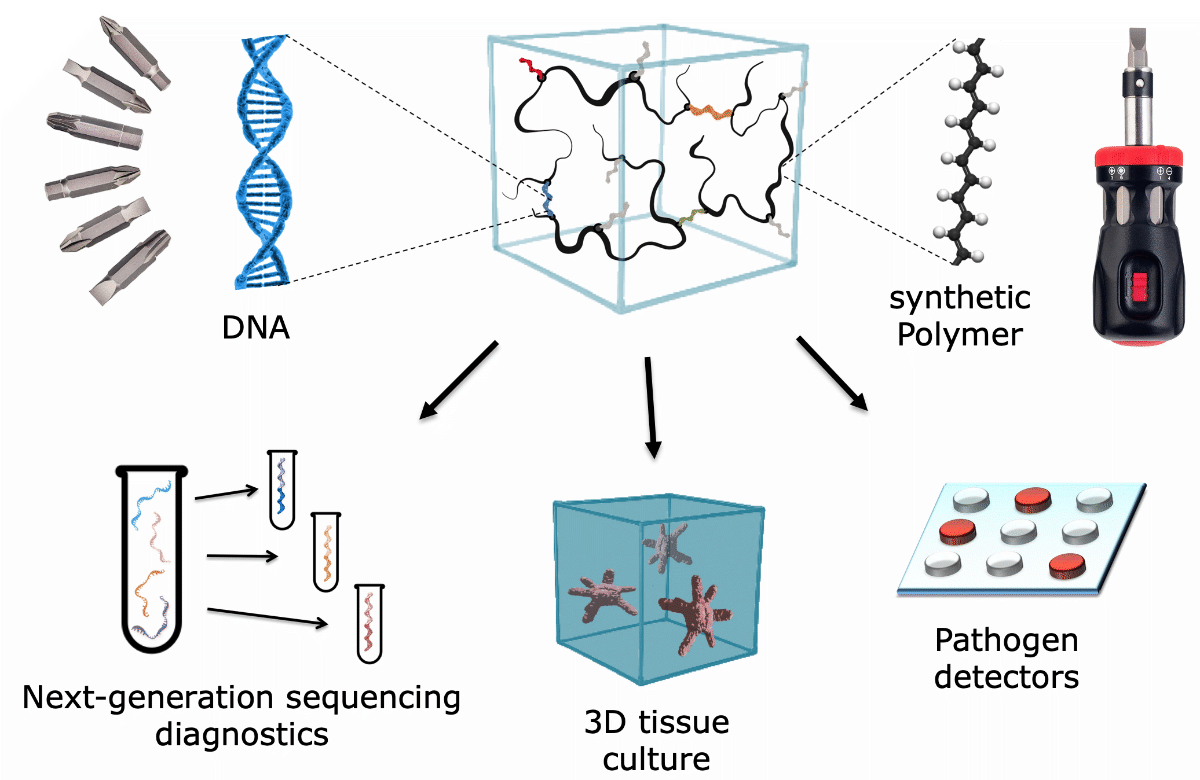
We graft DNA oligonucleotides onto synthetic polymer backbones. The backbone provides tunable physicochemical properties, biocompatibility, and mechanical stability, while non-covalently attached DNA modules make the material programmable. These modules can be plugged in, upgraded, and exchanged on demand.
Because DNA hybridization is highly predictable, we can control important macroscopic properties such as stiffness, plasticity, and melting behavior. We can also equip our materials with functional DNA-based elements, including aptamers for specific target binding, DNAzymes for catalytic activity, and tension probes for sensing mechanical forces. Our long-term goal is to create self-regulating materials that detect and respond to biomolecules, cells, and tissues, guided by increasingly sophisticated DNA-based logic circuits.
Cell culture
Dynamic matrices for cell and organoid culture
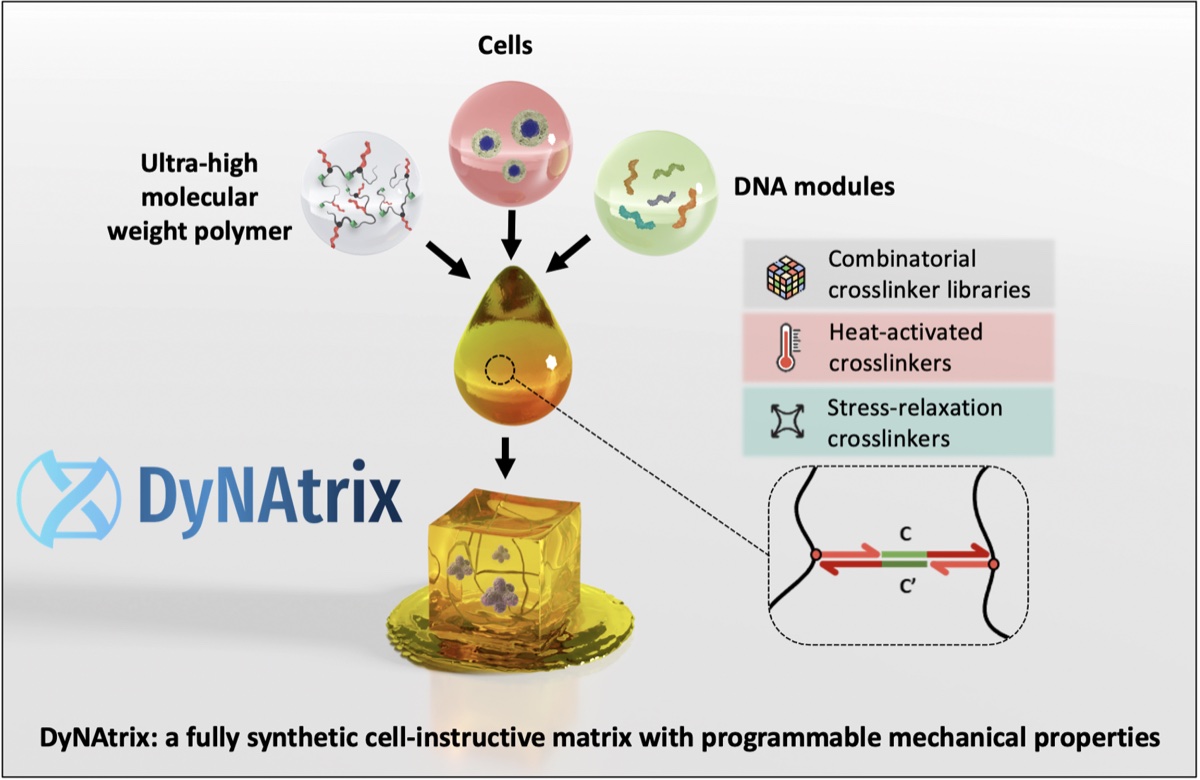
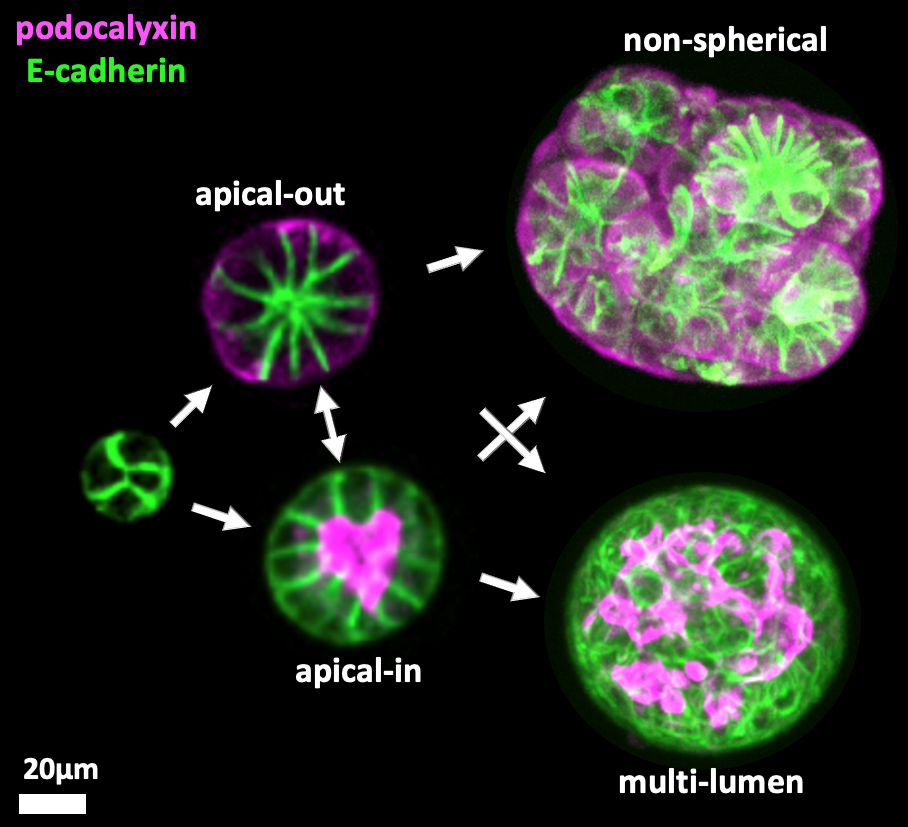
One major application of our materials is as fully synthetic, programmable 3D cell culture matrices that can guide and interrogate the development of cells and organoids. We introduced DyNAtrix, a DNA-crosslinked polymer matrix that offers independent, sequence-encoded control over stiffness, stress relaxation, and gelation kinetics, together with cell-adhesive peptide signals. It supports the long-term culture of various cell types, including iPSCs and organoids.
We use the DyNAtrix platform to systematically study how mechanical cues shape cell proliferation, differentiation, and morphogenesis, and to map mechanical cell–matrix interactions at the molecular level.
Molecular diagnostics
Smart materials for isolating and detecting biomolecular targets
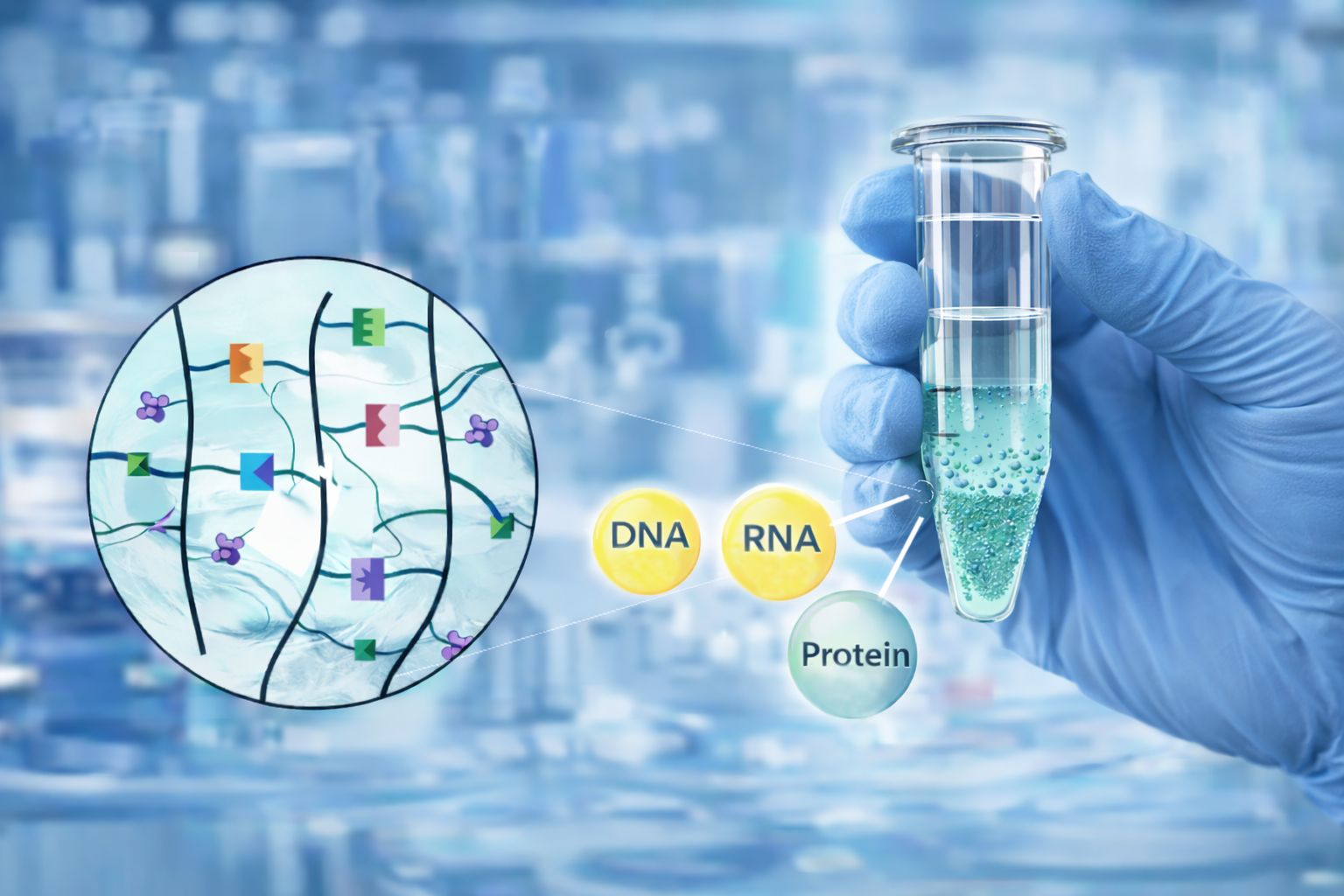
We develop DNA-based systems to capture, isolate, and detect specific molecular targets. Our LASSO method uses a DNA-functionalized polymer to capture specific DNA, RNA, or protein targets in solution. DNA-based crosslinkers then induce phase separation, allowing highly selective isolation of the captured targets under mild conditions. One major application of these programmable pulldown polymers is the preparation of DNA and RNA libraries for next-generation sequencing.
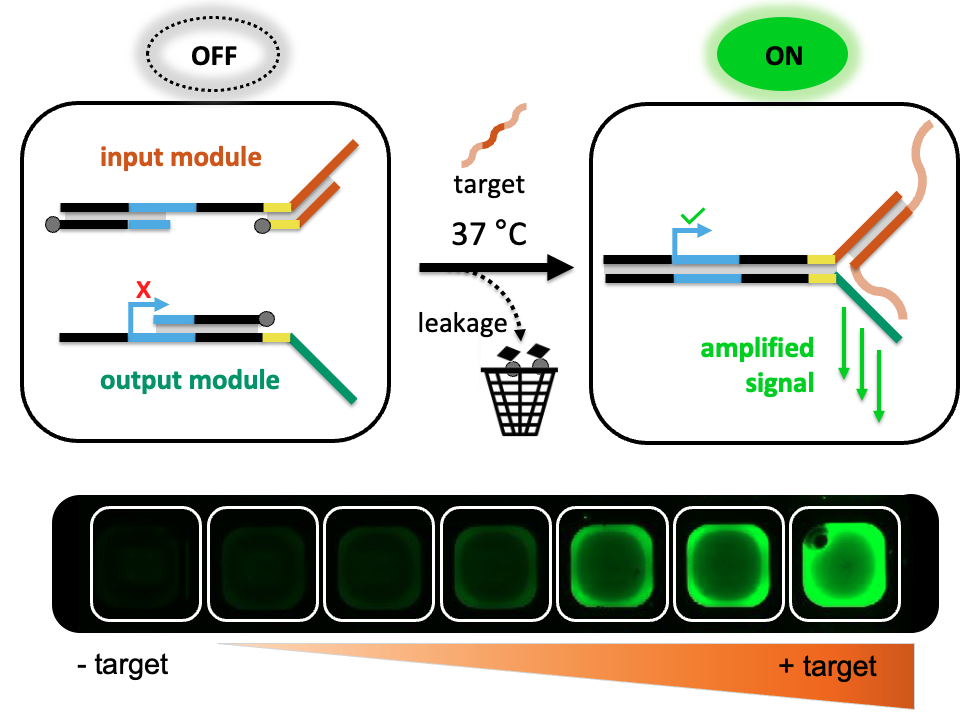
We are also working toward robust, reprogrammable platforms that simplify pathogen detection and enable diagnostics in resource-limited settings. This includes new DNA-based strand-displacement reactions and multiplexed detection on portable microfluidic chips for point-of-care pathogen testing.
Fundamental materials science
Topological soft matter
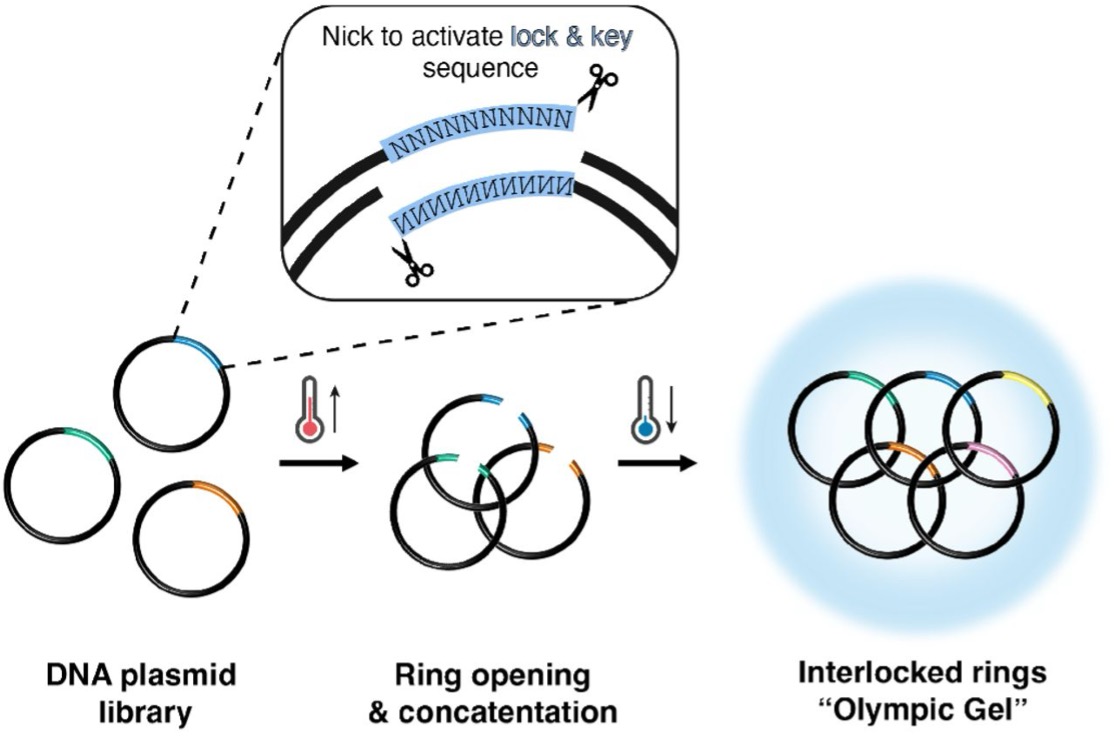
DNA nanotechnology also provides the opportunity to control the topology of supramolecular networks. Using combinatorial DNA libraries, we can engineer more efficient crosslinks and build exotic forms of soft matter, such as the elusive Olympic gel.
The material is held together by mechanically interlocked ring-shaped molecules. The absence of defined junction points results in unusual swelling behavior and unique mechanical characteristics. We explore the fundamental properties of topological soft materials as well as their potential applications.
Methods
The lab combines chemistry, DNA nanotechnology, molecular biology, computation, and advanced characterization to connect molecular design with material behavior.
- Chemistry: Polymer synthesis and characterization
- DNA nanotechnology: DNA origami and strand displacement reactions
- Computational tools: NUPACK, caDNAno, custom Python scripts
- Mechanical characterization: Oscillatory rheology and step-strain testing
- Microscopy: TEM, SEM, AFM, confocal
- Molecular biology: Cloning, PCR, MeRPy, LASSO, sequencing
- Cell culture: Growing cells and organoids in DyNAtrix
We are supported by